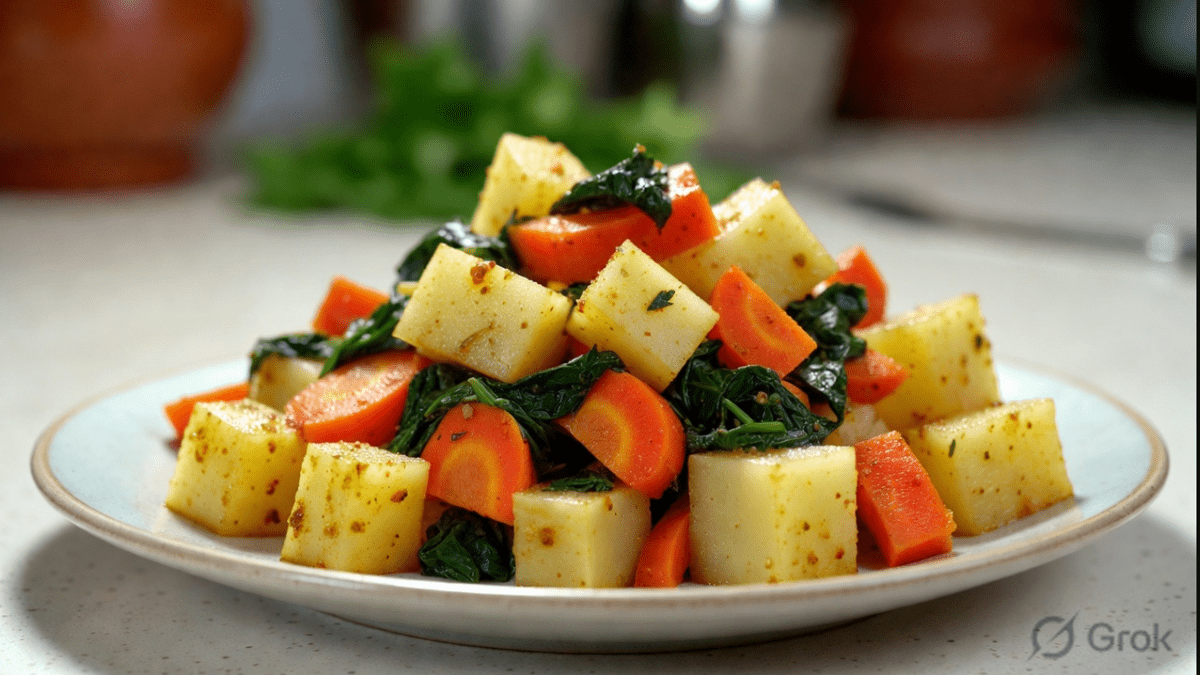
Learn which vegetables seniors should eat in moderation after 60
Learn Which Vegetables Seniors Should Eat in Moderation After 60
And Why Balance Matters More Than Bans Don’t believe every WhatsApp forward or Facebook post claiming certain vegetables are “dangerous” for seniors after 60! Vegetables remain one of the best sources of vitamins, fiber, antioxidants, and minerals at any age. Most are highly nutritious and support healthy aging, better digestion, stronger immunity, and energy levels. The key isn’t avoiding them entirely—it’s moderation based on your personal health, digestion changes with age (slower metabolism, reduced enzyme production, potential bloating or constipation), and any conditions like diabetes, thyroid issues, gout, or arthritis. Always consult your doctor or a nutritionist before major changes, especially if you’re on medications.
In this guide, we’ll cover vegetables seniors should eat in moderation after 60, debunk myths, share practical tips, and suggest easy, lighter alternatives popular in Indian kitchens. Focus on variety, proper cooking (steaming, boiling, or light sautéing reduces issues like bloating), and portion control for maximum benefits without discomfort.
Why Moderation Matters for Seniors Over 60
Aging naturally slows digestion and nutrient absorption, making some fiber-rich or compound-heavy veggies harder to handle in large amounts. But with smart choices:
- You get essential nutrients for bone health, heart support, blood sugar control, and gut balance.
- You avoid unnecessary restrictions that could lead to nutrient gaps.
- The goal: Enjoy food while preventing issues like gas, joint flare-ups, or blood sugar swings.
1. Brinjal (Eggplant/Baingan)
Concern: Contains small amounts of solanine (a natural compound in nightshades), which some believe worsens joint pain or arthritis in sensitive people.
Reality: For most seniors, brinjal is safe and nutritious—rich in fiber, antioxidants, and low in calories. Scientific evidence shows no strong link between nightshades and arthritis flares for everyone; issues are individual and rare.
Tip for Seniors: If you have severe arthritis or notice discomfort after eating, limit to 1-2 small servings per week. Cook thoroughly (grill, roast, or bharta style) to reduce any potential irritants. If you don’t like brinjal anyway, no need to force it—skip freely!
2. Arbi (Colocasia/Taro Root)
Concern: High starch content can lead to bloating, gas, or constipation, especially with weaker digestion in older adults.
Reality: Arbi offers good fiber, potassium, and energy, but its resistant starch and mucilage can be heavy on the gut if overeaten or not cooked well.
Tip for Seniors: Enjoy occasionally (boiled or lightly spiced) rather than daily. Diabetics or those prone to bloating should limit portions. Swap for lighter roots like sweet potato, carrots, or beetroot for similar nutrition without heaviness.
“Remember — vegetables are your friends, not criminals standing in the diet court!”
3. Cauliflower (Phool Gobi)
Concern: Contains goitrogens (compounds that may interfere with thyroid function if eaten raw in very large amounts).
Reality: Cooking greatly reduces goitrogens, making cauliflower safe for most. It’s packed with vitamin C, fiber, and anti-inflammatory benefits—great for immunity and digestion.
Tip for Seniors: Steam, stir-fry, or make light sabzi; avoid excessive raw eating if you have thyroid issues. Moderation (2-3 times/week) is fine for healthy thyroids.
4. Bitter Gourd (Karela)
Concern: Strongly lowers blood sugar, which can drop too low if combined with diabetes meds, leading to hypoglycemia.
Reality: Karela is actually beneficial for many diabetics—it improves insulin sensitivity and helps manage blood sugar naturally. But overconsumption or poor monitoring can cause issues.
Tip for Seniors: If diabetic and on medication, start small (e.g., 1 small karela 2-3 times/week in sabzi or juice diluted). Monitor blood sugar closely and consult your doctor. If you dislike the bitterness (like many do!), no problem—plenty of other blood-sugar-friendly veggies exist.
5. Green Peas (Matar)
Concern: Moderate purine levels may raise uric acid in those with gout or high levels, potentially worsening joint pain.
Reality: Studies show vegetable purines (unlike meat) don’t significantly trigger gout flares for most people. Peas are nutrient-dense with protein, fiber, and vitamins.
Tip for Seniors: If uric acid is high or gout flares occur, limit to small portions (½ cup cooked). Otherwise, enjoy in moderation—pair with low-purine veggies like bottle gourd or ridge gourd.
Better, Lighter Alternatives for Daily Enjoyment
Focus on these digestion-friendly, nutrient-rich veggies that suit most seniors over 60 (especially in India):
- Leafy greens: Spinach (palak), fenugreek (methi), mustard leaves (sarson)—high in iron, vitamins; cook lightly to avoid bloating.
- Gourds & pumpkins: Bottle gourd (lauki), ridge gourd (turai), pumpkin (kaddu)—super light, hydrating, and easy on the stomach.
- Carrots, beetroot, sweet potatoes: Gentle fiber sources; great roasted or in soups.
- Other seasonal picks: Zucchini, cucumber, tomatoes (in moderation), okra (bhindi, well-cooked).
These promote gut health, prevent constipation, support heart and bone strength, and provide antioxidants without common concerns.
Final Thoughts: Balance Is Key for Healthy Aging
Vegetables seniors should eat in moderation after 60 isn’t about strict bans—it’s about listening to your body, prioritizing variety, and using smart cooking methods (steaming > frying). A colorful plate keeps you energized, supports immunity, and helps manage common age-related issues like diabetes, thyroid, gout, or digestion woes.
Portion wisely, stay hydrated, and pair veggies with dals, yogurt, or whole grains for balanced meals. If you have specific conditions, talk to your doctor—they can tailor advice better than any forward!
What veggies do you enjoy most after 60? Share in the comments or consult a qualified nutritionist near you for personalized tips. Stay healthy and eat mindfully!