Numbness or Weakness: A Warning Sign Seniors Must Never Ignore (2026)
Numbness or Weakness: A Warning Sign Seniors Must Never Ignore (2026)
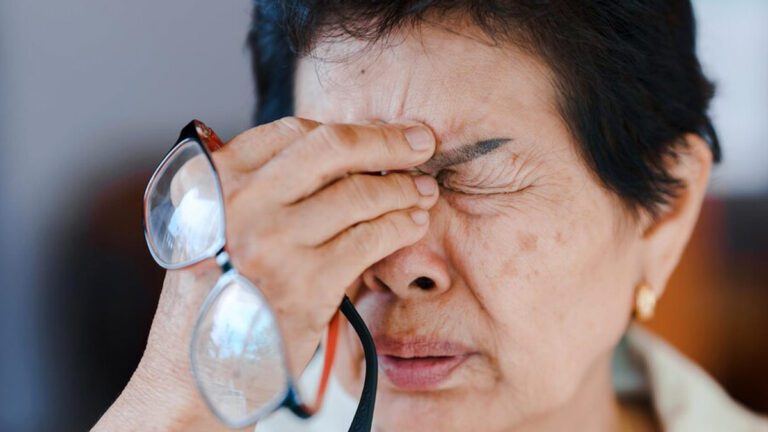
Occasional tingling in the hands or temporary weakness after exertion may seem harmless. However, sudden numbness or weakness in seniors can be an important medical warning sign. When the body suddenly loses strength or sensation, it is often the nervous system’s way of asking for urgent attention.
For older adults, recognizing the difference between temporary discomfort and a serious neurological symptom can make a life-saving differe
Why Sudden Numbness or Weakness Is Concerning
As we age, the risk of circulation problems, nerve disorders, and strokes increases. Sudden numbness or weakness often indicates that blood flow or nerve signals are being disrupted.
What makes this symptom especially important is its timing:
-
Sudden onset → more likely to be serious
-
Gradual, long-standing numbness → often chronic but still needs evaluation
When in doubt, treat sudden changes as urgent.
Common Causes of Numbness or Weakness in Seniors
Stroke or Mini-Stroke (TIA)
This is the most serious cause to rule out first.
Watch for:
-
Weakness on one side of the body
-
Facial drooping
-
Slurred speech
-
Sudden difficulty walking
If these appear together, seek emergency care immediately.
Diabetic Nerve Damage (Peripheral Neuropathy)
In seniors with diabetes, long-term high blood sugar can damage nerves, leading to:
-
Burning or tingling in feet
-
Gradual numbness
-
Reduced sensation
This usually develops slowly, not suddenly — but it still needs medical care.
Nerve Compression
Conditions such as:
-
Cervical spondylosis
-
Slipped disc
-
Carpal tunnel syndrome
can press on nerves and cause numbness or weakness in arms or legs.
Vitamin Deficiencies
Low levels of Vitamin B12 are common in older adults and may cause:
-
Tingling in hands and feet
-
Balance problems
-
Memory issues
The good news: this is often treatable when detected early.
Medication Side Effects
Some medicines — especially strong painkillers, sedatives, or certain heart drugs — may cause weakness, dizziness, or altered sensation.
Always review recent medication changes.
Immediate Steps at Home
If numbness or weakness appears suddenly:
✔ Stay Calm but Alert
Do not panic — but do not ignore the symptom.
✔ Check Timing
Note exactly when the symptom began. Doctors often ask this first.
✔ Look for Stroke Signs
Quickly check:
-
Is one arm weaker?
-
Is speech slurred?
-
Is the smile uneven?
If yes → call emergency services immediately.
✔ Ensure Safety
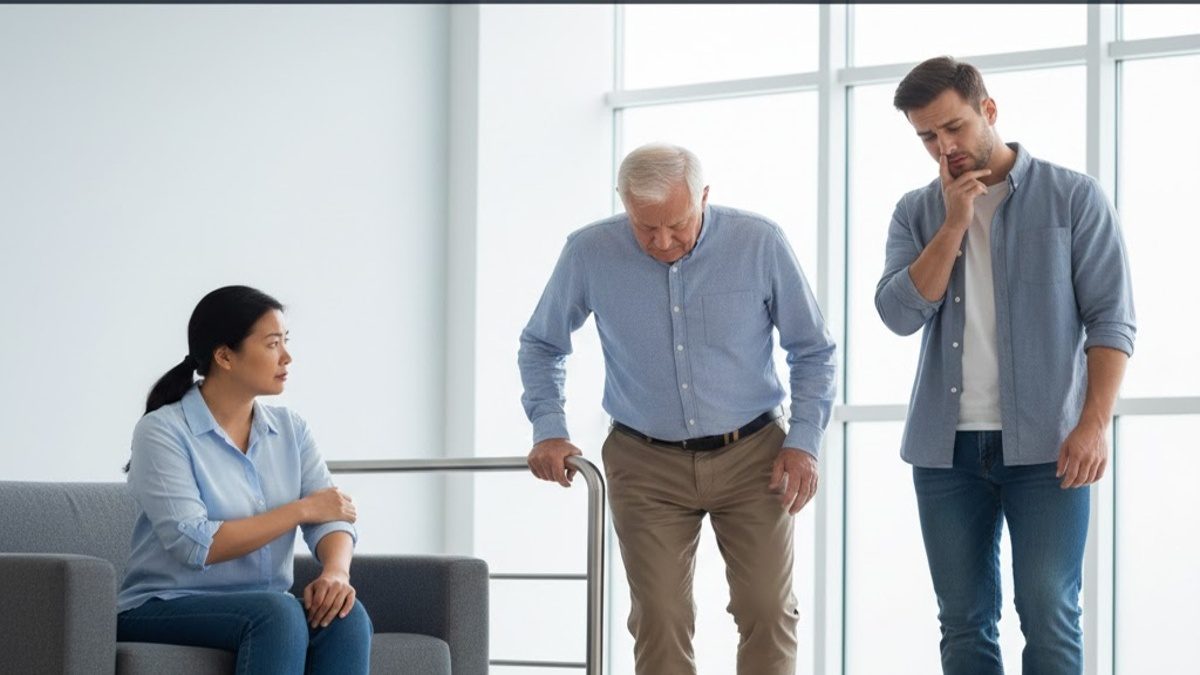
Help the person sit or lie down to prevent falls.
When to Seek Urgent Medical Help
Do not delay if numbness or weakness:
-
Appears suddenly
-
Affects one side of the body
-
Comes with speech difficulty
-
Occurs with severe headache
-
Is associated with confusion or vision changes
-
Follows a fall or head injury
In seniors, it is always safer to err on the side of caution.
A Gentle but Important Reminder
It is easy to dismiss numbness as “just age” or weakness as “today’s fatigue.” But the body often whispers before it shouts.
Sudden numbness or weakness in seniors is not something to watch casually. It is something to evaluate promptly.
Early attention can prevent disability, and sometimes, it can save a life.
? Also read in this series: – Body signs which the seniors should never ignore
Frequently Asked Questions
Q: Is numbness always a sign of stroke?
No. Many causes are less serious, such as nerve compression or vitamin deficiency. However, sudden numbness — especially on one side — must always be checked urgently.
Q: When is numbness less urgent?
If it develops very gradually over months (common in diabetic neuropathy), it is usually not an emergency — but still needs medical evaluation.