Health: Body Signs You Should Not Ignore
? Health Signals: Gentle Reminders From Your Body
Our bodies are like old companions—they grumble, whisper, and sometimes shout when something’s not right. For seniors, these signals matter even more. Most are harmless, but when they’re persistent, sudden, or severe, they deserve attention.
Think of them as alerts, not verdicts. Here’s a senior-friendly guide, told in everyday language:
1. Persistent Fatigue
Imagine your body as a battery that never fully charges.
- Why it happens: Thyroid imbalance, anemia, vitamin deficiency, poor sleep, stress.
- What to do: Revisit your sleep routine, sip water often, eat balanced meals. Gentle walks or yoga can help. If fatigue lingers for weeks, ask your doctor for a blood test.
2. Sudden Weight Loss
If your clothes start hanging loose without effort, take note.
- Why it happens: Diabetes, thyroid issues, digestive problems, or cancer.
- What to do: Track meals and appetite. If weight loss is unexplained, don’t delay—get checked.
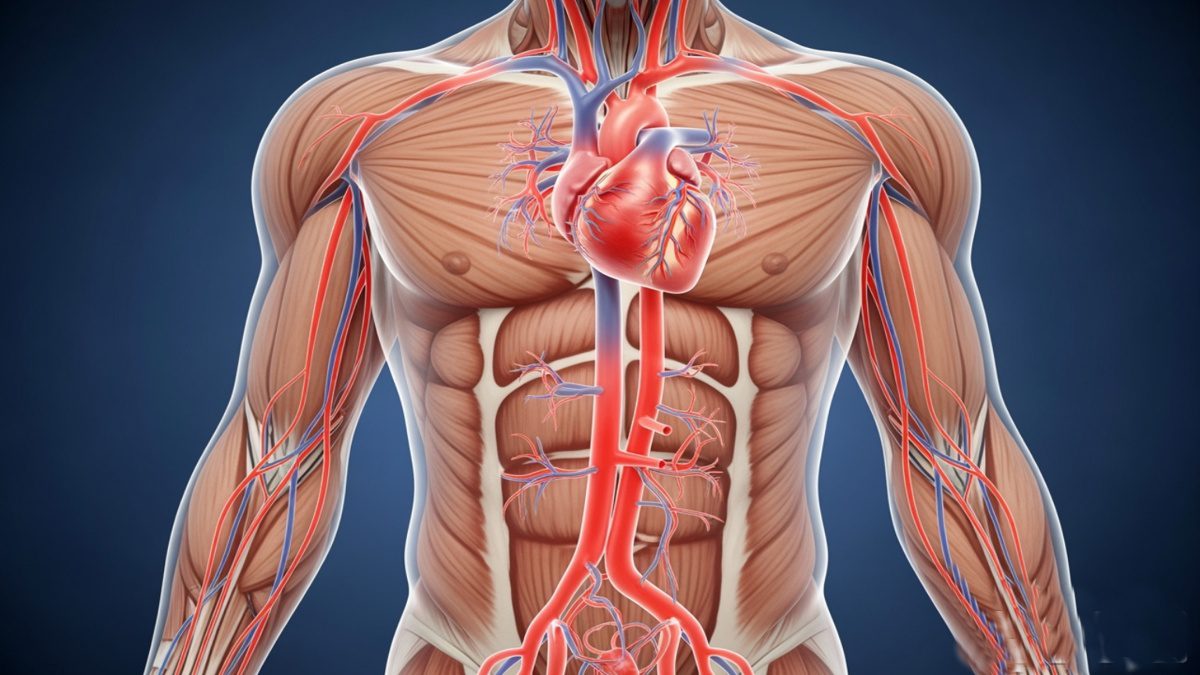
3. Chest Pain
This is not the time to be brave.
- Why it happens: Heart disease, angina, indigestion, muscle strain.
- What to do: Sit down, rest. If pain spreads to your arm or jaw, call emergency services immediately.
Read detailed guide: Chest Pain in Seniors: When It Is an Emergency
4. Shortness of Breath
Climbing stairs shouldn’t feel like climbing Everest.
- Why it happens: Heart/lung problems, asthma, anemia, anxiety.
- What to do: Rest, loosen clothing, breathe slowly. Sudden or severe breathlessness? Seek urgent care.
5. Yellowing of Eyes or Skin
Think of it as your body waving a yellow flag.
- Why it happens: Liver disease, hepatitis, gallbladder issues.
- What to do: Avoid alcohol and fatty foods. Book a liver function test.
6. Frequent Urination
If you’re visiting the washroom more than your living room, pay attention.
- Why it happens: Diabetes, UTI, prostate issues.
- What to do: Stay hydrated, cut caffeine. Painful or excessive urination? Doctor’s visit needed.
7. Blood in Stool or Urine
This is a red signal—literally.
- Why it happens: Infection, kidney stones, ulcers, cancer.
- What to do: Note the color and frequency, then seek medical evaluation immediately.
8. Numbness or Weakness
If your hand suddenly feels like it belongs to someone else, act fast.
- Why it happens: Stroke, nerve compression, vitamin deficiency.
- What to do: Sudden onset = emergency. Gradual = consult a neurologist.
9. Long-Lasting Fever
Your body’s thermostat is warning you.
- Why it happens: Infection, inflammation, autoimmune conditions.
- What to do: Rest, hydrate, use cool compresses. Fever beyond 3–4 days? See a doctor.
10. Sudden Confusion
If the mind feels foggy, don’t brush it off.
- Why it happens: Stroke, infection, low sodium, medication side effects.
- What to do: Ensure safety, keep calm surroundings. Sudden confusion = urgent medical help.
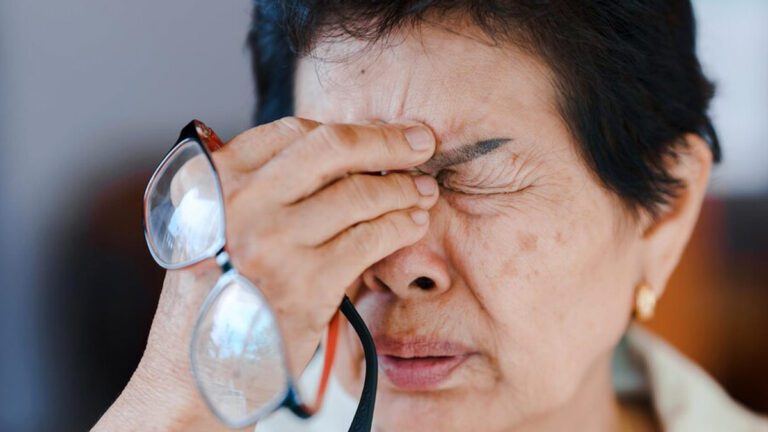
11. Vision Changes
The world shouldn’t suddenly look blurry or dim.
- Why it happens: Retinal problems, glaucoma, diabetes complications, neurological issues.
- What to do: Rest eyes, avoid strain, schedule an eye exam. Sudden vision loss = emergency.
12. Constant Bloating
If your stomach feels like a balloon every day, listen closely.
- Why it happens: Gas, indigestion, food intolerance, or rarely, cancer.
- What to do: Track food, reduce fizzy drinks, eat smaller meals. Persistent bloating? Doctor’s advice needed.
Final Thought
These signs don’t mean disaster. They mean: “Don’t ignore your body.”
Think of it like an old Ambassador car: rattles are normal ?, but if the engine warning light flashes, you don’t keep driving—you get it checked.
FAQ: Body Signs You Should Not Ignore
Q1. Do these symptoms always mean something serious?
Don’t panic. Many signs have harmless causes like stress, diet, or minor infections. Do pay attention. If symptoms are persistent, severe, or sudden, consult a doctor.
Q2. What should I do if I notice one of these signs?
- Do: Stay calm, note when it started, how often it occurs, and any other changes.
- Don’t: Self‑diagnose or ignore sudden severe symptoms.
- First aid: Rest, hydrate, and avoid exertion until you can seek medical advice.
Q3. Can I wait and see if the symptom goes away?
- Do: Observe mild issues (like occasional bloating or fatigue) for a few days.
- Don’t: Delay if the symptom worsens, is unexplained, or interferes with daily life.
Q4. Should seniors be more cautious?
Yes. At older ages, small problems can escalate quickly. Do: Get checked early. Don’t: Assume it’s “just age” and ignore warning signs.
Q5. Are these symptoms only linked to cancer or heart disease?
No. Social media often highlights worst‑case scenarios. Do: Remember these signs can come from many conditions—some minor, some serious. Don’t: Jump to conclusions. Use them as alerts, not diagnoses.
Q6. What simple steps can I take at home before seeing a doctor?
- Fatigue: Improve sleep routine, eat balanced meals, stay hydrated.
- Shortness of breath: Rest, loosen clothing, practice slow breathing.
- Fever: Hydrate, rest, use a cool compress.
- Bloating: Track food intake, avoid carbonated drinks.
- Confusion: Ensure safety, keep environment calm, call for help if sudden.
Q7. When should I go to the emergency room right away?
- Chest pain
- Sudden numbness or weakness
- Sudden confusion
- Blood in stool or urine
- Severe shortness of breath
Do: Treat these as red flags. Don’t: wait to see if they improve.
Q8. What’s the overall takeaway?
These are alerts, not diagnoses. They don’t mean you have the worst disease, but they do mean:
Please read the Aging gracefully health tips for seniors article carefully
Health Information Disclaimer
This post is for information and education only. It is not medical advice and should not replace consultation with a qualified healthcare provider. Always seek professional help for any health concerns. Never ignore or delay medical care because of something you read here.
Don’t forget to check out Wandering Dementia
Do Read the main article of this series – Body signs which the seniors should never ignore