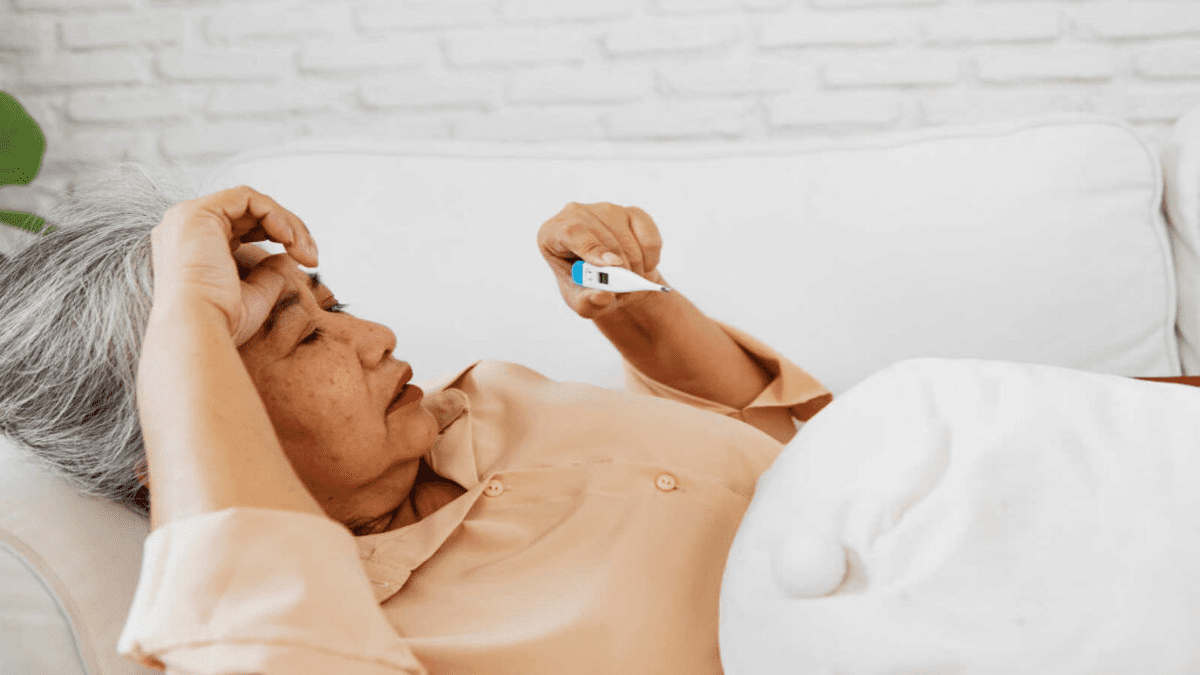
Long-Lasting Fever in Seniors 2026: When It Needs Medical Attention
Long-Lasting Fever in Seniors 2026: When It Needs Medical Attention
Attention — a fever is the body’s natural way of fighting infection, acting as an internal alarm to rally the immune system. While a short-lived rise in temperature often resolves with rest, hydration, and basic home care, a persistent fever in elderly loved ones that lingers for several days (or even low-grade but ongoing) is never something to ignore. In older adults over 65, even a mild but long-lasting fever in seniors can signal serious underlying issues like hidden infections (e.g., UTIs, pneumonia), weakened immunity, medication reactions, or chronic conditions that worsen quickly. Knowing exactly how long the fever lasts, tracking accompanying symptoms (chills, confusion, weakness), and acting promptly can be the difference between simple recovery and a hospital emergency—don’t wait if your parent or grandparent’s fever won’t break, as early medical attention in seniors prevents complications and protects their health.
Understanding the Causes of Persistent Fever in Seniors
When a fever refuses to break, it’s rarely a random occurrence. It is typically a symptom of one of the following:
-
Persistent Infections: This includes viral strains (like the flu), bacterial infections (such as pneumonia or UTIs), or even parasitic concerns.
-
Inflammatory & Autoimmune Conditions: Conditions like rheumatoid arthritis or lupus can cause the body to maintain a “simmering” fever.
-
Underlying Chronic Illnesses: In some cases, a lingering fever can be a side effect of certain medications or a red flag for more serious conditions like cancers.
Home Management Strategies for Fever Relief
If your fever is in its early stages, focus on supporting your body’s recovery with these essential steps:
-
Prioritize Hydration: Replenish fluids with water, clear soups, or oral rehydration solutions to prevent dehydration.
-
Choose Easy-to-Digest Nutrition: Stick to a light diet of “comfort foods” like dal, rice, and fresh fruits.
-
External Cooling: Use a cool, damp cloth on the forehead or neck to help lower your surface temperature comfortably.
-
Monitor and Document: Keep a log of your temperature readings and how many days they have lasted.
-
Use Caution with Medication: Stick to basic paracetamol for comfort, but avoid “cocktailing” medications without a doctor’s advice.
- Main article of this series – Main guide: Health: Body Signs Seniors Should Never Ignore
When Long Lasting Fever in Seniors Becomes Serious
Red Flags: When to Consult a Healthcare Professional
You shouldn’t wait out every fever. Seek medical help immediately if you experience:
-
The 3-Day Rule: Any fever lasting longer than 3–4 days requires a professional diagnosis.
-
High-Intensity Heat: A temperature consistently above 102°F (38.9°C).
-
Severe Physical Distress: If the fever is accompanied by a stiff neck, chest pain, difficulty breathing, or mental confusion.
-
Visible Symptoms: Look out for unexplained rashes, persistent coughing, or intense abdominal pain.
Don’t Overlook a Long-Lasting Fever
While a brief “bug” is common, a long-lasting fever is a clear signal that your body is working overtime and might need medical intervention. Don’t push through the fatigue—prioritize rest, stay hydrated, and never hesitate to consult a doctor if your symptoms persist. Your health is worth the extra caution.
Frequently Asked Questions About Persistent Fevers
1. How many days of fever is considered “long-lasting”? Generally, a fever that persists for more than three to four days without improvement is considered long-lasting or “persistent.” While many viral infections peak and fade within 48 hours, a fever that remains high beyond the 72-hour mark warrants a consultation with a healthcare professional to rule out bacterial infections or other complications.
2. Can a fever be a sign of something other than an infection? Yes. While infections are the most common cause, a long-lasting fever can also be triggered by non-infectious factors. These include autoimmune disorders (where the immune system attacks healthy tissue), certain medications, heat exhaustion, or chronic inflammatory conditions like arthritis.
3. At what temperature should I be concerned? For most adults, a temperature of 103°F (39.4°C) or higher is a significant concern. However, even a low-grade fever that refuses to go away is important. If your temperature stays consistently above 102°F (38.9°C) for several days, you should seek medical advice.
4. Why does my fever seem to get worse at night? It is common for body temperatures to rise naturally in the evening due to your body’s circadian rhythm. Additionally, your immune system is often more active at night, releasing “pyrogens” to fight off the illness, which can cause your temperature to spike before bed.
5. Should I take antibiotics for a long-lasting fever? You should never take antibiotics unless they are specifically prescribed by a doctor for your current illness. Antibiotics only treat bacterial infections; they are ineffective against viruses (like the flu or COVID-19). Taking them unnecessarily can lead to antibiotic resistance and may mask the true cause of your fever.