Vision Changes: Don’t Overlook Them
Vision Changes in Seniors: Warning Signs You Should Not Ignore
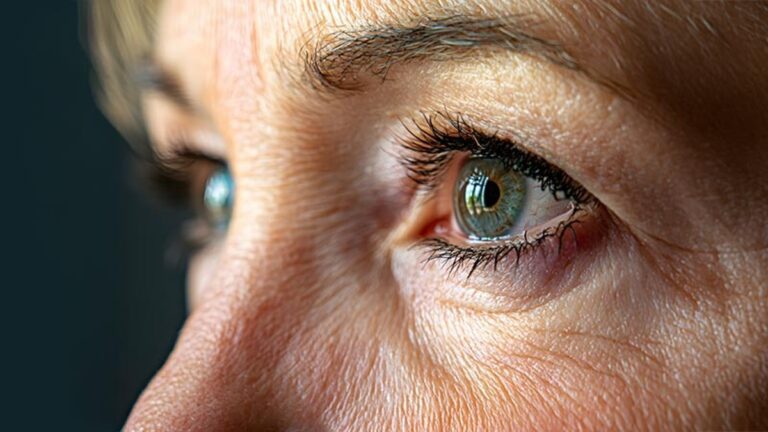
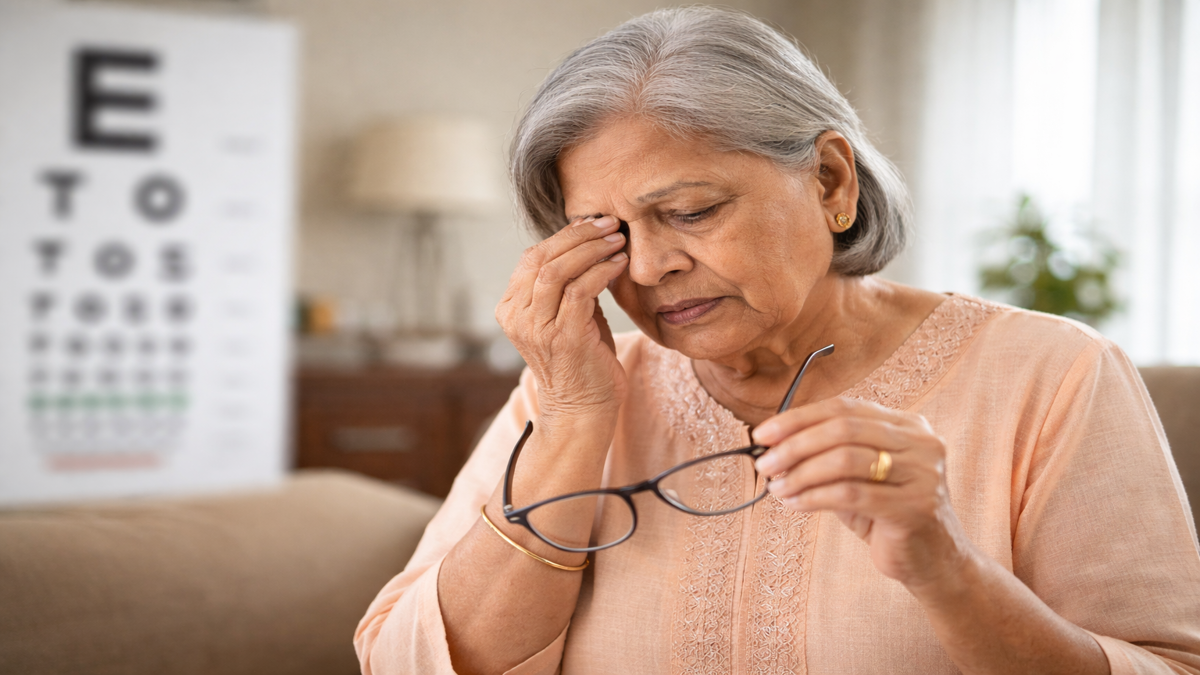
Changes in vision—whether sudden or gradual—can affect daily life and independence. While sometimes the cause is simple eye strain or normal aging, sudden or unexplained vision changes should never be ignored. Most causes are treatable when detected early. Calm awareness is the key and remember Vision Changes: Don’t Overlook Them
Why Vision Changes Matter
As we grow older, mild changes in eyesight are common. Reading glasses become stronger, and night vision may reduce slightly.
However, when vision becomes suddenly blurred, patchy, dim, or distorted, it may signal an eye condition or, occasionally, a neurological problem.
For example, Mrs. Singh, 71, noticed brief flashes of light in one eye. She wisely consulted her eye specialist. Early retinal treatment prevented a more serious problem.
The message is simple: observe carefully and act promptly when needed.
1️⃣ Possible Causes
🔹 Eye-Related Causes
-
Cataracts
-
Glaucoma
-
Retinal detachment
-
Age-related macular degeneration
These are among the most common reasons for gradual or sudden visual decline in seniors.
🔹 Diabetes-Related Cause
-
Diabetic retinopathy
Long-standing diabetes can damage the small blood vessels of the retina. Regular eye check-ups are essential for diabetic seniors.
🔹 Neurological Causes
-
Stroke
-
Migraine (visual aura)
-
Certain brain disorders
Vision problems accompanied by weakness, speech difficulty, or confusion need urgent medical attention.
🔹 Other Simple Causes
-
Eye strain from prolonged screen use
-
Poor lighting while reading
-
Incorrect or outdated glasses number
-
Dry eyes
These are common and often easily correctable.
2️⃣ First Steps You Can Take at Home
While observing the symptoms, you may take these sensible steps:
✔ Rest your eyes — take regular breaks from screens or reading
✔ Check lighting — ensure proper illumination while reading
✔ Avoid strain — do not drive or operate machinery if vision is blurred
✔ Note the pattern — is vision loss sudden, partial, or gradual?
✔ Watch for warning signs — flashes of light or new floaters
✔ Keep a record — when did it start and how long does it last?
Simple observation often provides valuable clues for your doctor.
3️⃣ When Should You Seek Medical Help Urgently?
Consult an eye specialist or doctor immediately if:
-
Vision loss is sudden or severe
-
You see flashes of light or many new floaters
-
There is a curtain-like shadow over vision
-
Vision change comes with headache, weakness, or confusion
-
You have diabetes and notice new or worsening vision problems
Early evaluation can protect sight.
🌟 Key Takeaways
-
Vision changes are common with age—but sudden changes need attention.
-
Many causes are treatable when detected early.
-
Prompt medical consultation can help preserve eyesight and independence.
At our stage of life, we do not panic—we observe wisely and act in time.
👉 Also read: Body Signs Seniors Should Never Ignore
(Part of the Senior Health Awareness Series)
📌 Health Information Note
This article is for awareness and educational purposes only. It is not a medical diagnosis or a substitute for professional medical advice. Always consult a qualified healthcare provider regarding personal health concerns.
Do Read the main article of this series – Body signs which the seniors should never ignore