
What is Phishing and how does it work
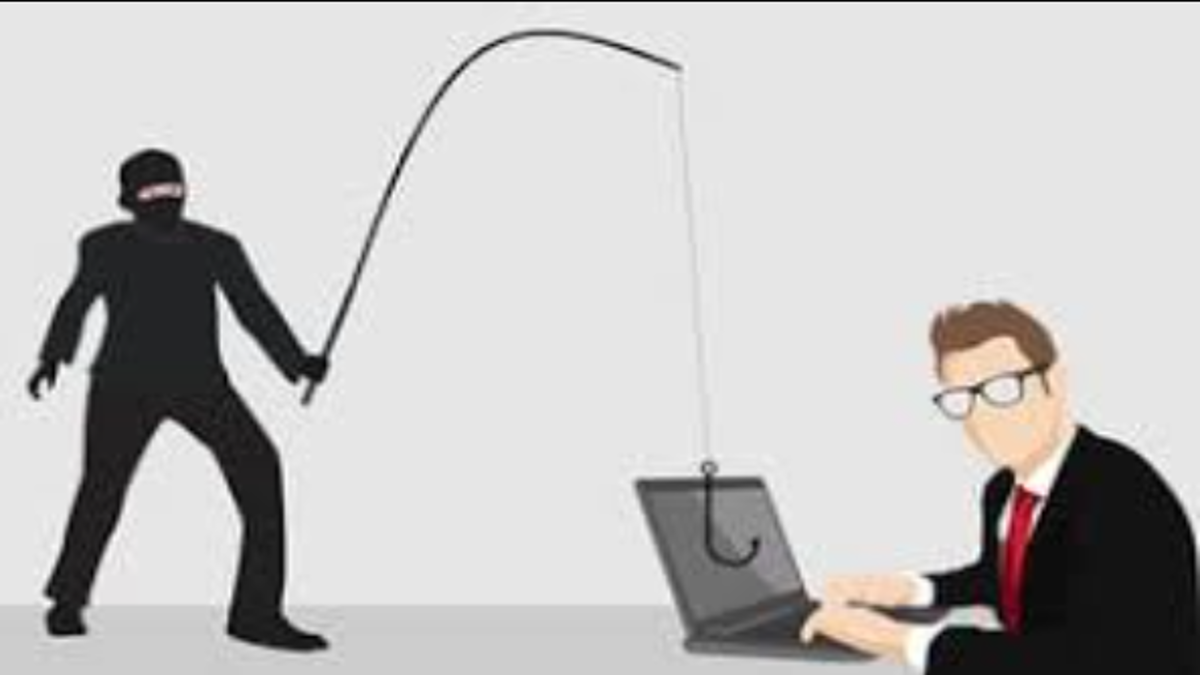
Phishing is a type of cyberattack where criminals trick people into revealing sensitive information—like passwords, bank details, or credit card numbers—by pretending to be a trusted organization through fake emails, websites, or messages. This gives you a short answer to What is Phishing and how does it work
🔎 How Phishing Works
- Impersonation: Attackers pose as banks, government agencies, or popular services.
- Fake Communication: Victims receive emails, SMS, or calls that look official.
- Malicious Links: Clicking leads to fraudulent websites that mimic real ones.
- Data Theft: Victims unknowingly enter login credentials, card details, or OTPs.
- Immediate Exploitation: Stolen data is used to drain accounts, make purchases, or sell on the dark web.
📂 Common Types of Phishing
| Type | Method | Example |
|---|---|---|
| Email Phishing | Fake emails with urgent requests | “Your account will be blocked, click here to verify.” |
| Spear Phishing | Targeted at specific individuals | Personalized emails using real names/details |
| Smishing | SMS-based phishing | Fake bank OTP or challan payment link |
| Vishing | Voice calls | Fraudster posing as bank officer |
| Clone Phishing | Duplicate of a real email with malicious links | A genuine-looking invoice email |
⚠️ Signs of a Phishing Attempt
- Suspicious sender address (slight spelling changes in domains).
- Urgency or threats (“Pay immediately or account will be blocked”).
- Generic greetings (“Dear Customer” instead of your name).
- Poor grammar or spelling mistakes.
- Links that don’t match the official domain.
✅ How to Protect Yourself
- Verify URLs: Always type the official website manually instead of clicking links.
- Check sender details: Hover over email addresses and links before clicking.
- Enable 2FA (Two-Factor Authentication): Adds extra protection even if credentials are stolen.
- Keep software updated: Security patches help block malware.
- Report suspicious messages: Use your bank’s fraud helpline or India’s cybercrime helpline (1930).
Phishing is especially dangerous for senior citizens and less tech-savvy users, as seen in recent cases where fake challan links drained bank accounts. Would you like me to show you real-world phishing examples from India so you can recognize them more easily?





2 Comments