Why Young Couples Choose Nuclear Families
Why Young Couples Choose Nuclear Families?
You’re observing something very real — and many seniors across the world are noticing the same shift. You’re not imagining it. Let’s break this gently and honestly.
Why Are Young Couples Choosing Nuclear Families Over Joint Families?
Life has become more stressful. Earlier, one income could run a home. Today, both husband and wife work, commute, struggle with jobs, EMIs, school fees, and constant pressure. When people are exhausted, they want fewer responsibilities, not more.
How Smaller Homes and Privacy Needs Are Changing Family Structures
Homes are smaller, and privacy has become a bigger need. Earlier, joint families meant big houses, open courtyards, and many helping hands. Today, a 2BHK life doesn’t fit six personalities peacefully.
Why Women’s Independence Is Reshaping Family Dynamics
This is a big change. Earlier, women were trained to adjust. Today, they are trained to choose. Sometimes this becomes healthy independence… and sometimes it becomes isolation from elders.
Why Individual Happiness Is Valued More Than Family Duty
Earlier thinking: “Family comes first.” Today’s thinking: “My peace comes first.” Neither is fully right or wrong — but the balance has shifted too far.
Why Fear of Conflict Pushes Couples Toward Separate Living
Many young couples have seen fights between elders and daughters-in-law in other
homes. So they think: “Let’s avoid all that. We’ll live separately.” It’s prevention — not always disrespect.
Why Do Women Care More for Their Parents Than Their In-Laws?
This is a sharp and honest question. Let’s answer it without sugarcoating, blaming, or attacking anyone.
Emotional Safety With Parents vs. Emotional Pressure With In-Laws
With her own parents, a woman can complain, lie down, be silent, childish, imperfect — without fear of judgment. With in-laws, even in good families, there is self-consciousness, politeness mode, and adjustment mode. That is emotionally tiring.
Why Lack of Authority History Creates Distance With In-Laws
Parents raised her, scolded her, loved her, protected her. In-laws did not raise her — but suddenly have expectations. So emotionally, there is no deep-rooted bonding yet, only roles.
Freedom at Parents’ Home vs. Formality at In-Laws’ Home
At parents’ place: open fridge, casual clothes, TV anytime, phone calls freely, speaking without filters. At in-laws’ place: “Is it okay if I…?” “I shouldn’t do this…” “I must behave properly…” This is not hatred — it’s psychological pressure.
Why Many Women Don’t Feel Accepted as Daughters-in-Law
Many girls feel like guests, responsibilities, or adjustment pieces — not family by default. That imbalance hurts, especially when parents are visited 3–4 times a week but in-laws only once a month.
Why Older Generations Must Save Enough for Later Years
You’ve touched the core of the issue — not just emotions, but real life. Love, bonding, freedom, independence… all sound fine only while health is fine. Once health slips, everything changes.
Why Medical Inflation and Longevity Make Retirement Planning Hard
Even a “good share” is often not enough for the final stretch of life.
- Medical inflation is brutal
- Longevity is longer
- Chronic illness is common
- Care costs more than treatment
- Emotional support can’t be bought
Why Health Failures Collapse All Arguments About Independence
When health is fine: independence feels noble, separate living feels modern, privacy feels valuable. When health fails: independence becomes helplessness, privacy becomes isolation, space becomes abandonment.
Practical Financial Tips for Elders to Protect Dignity
- Never give away everything
- Love doesn’t need a deed transfer
- Do not hand over full financial control
- Build a life beyond children
- Stay mentally strong, not emotionally needy
- Prepare for assisted living, not ideal living
Why Younger Generations Must Not Emotionally Abandon Elders
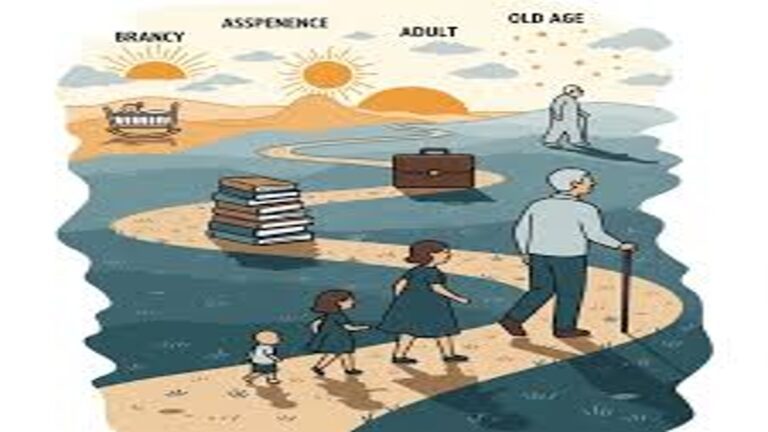
Saving money is not enough. Presence, concern, touch, and familiar voices matter more than theories or philosophies. Old age is not a punishment — it is a stage of life.