Chest Pain: Never Ignore It (2026)
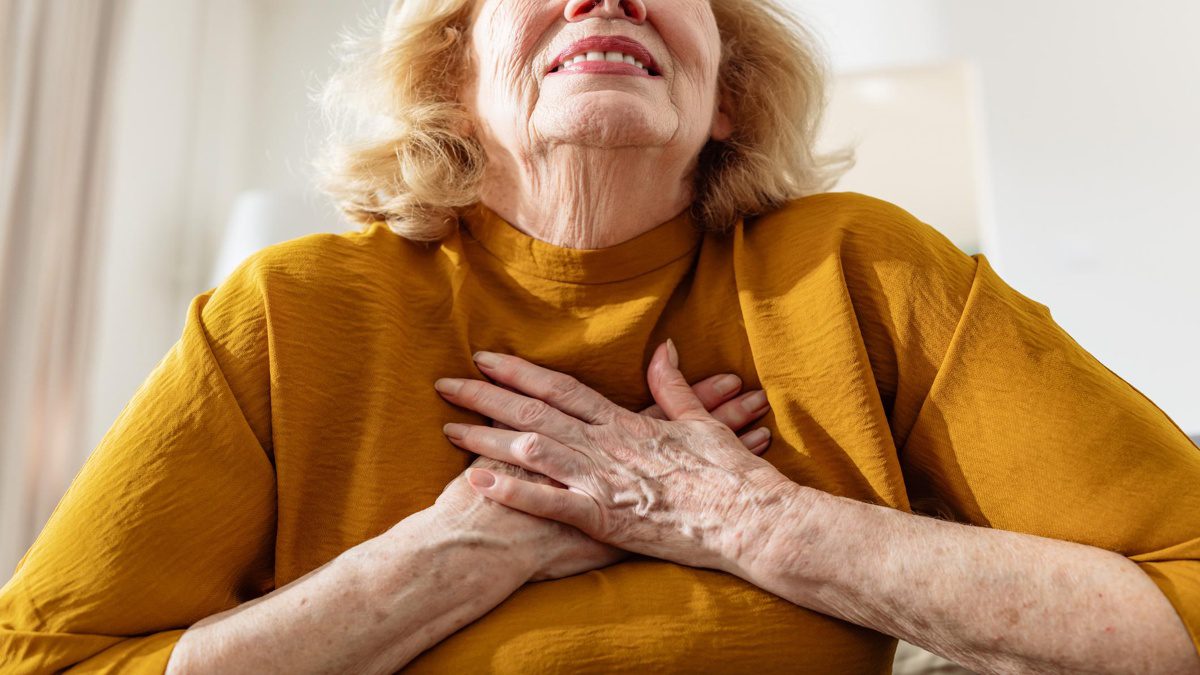
Chest pain is one symptom that should always command immediate attention — especially in seniors. While not every chest discomfort is due to the heart, assuming it is harmless can be a dangerous mistake.
In older adults, chest pain may be subtle, unusual, or even mistaken for gas or acidity. Recognizing early warning signs and acting promptly can save precious heart muscle — and sometimes, a life.
Why Chest Pain in Seniors Is Especially Concerning
With advancing age, the risk of heart disease increases. Blood vessels may narrow, and the heart becomes more vulnerable to reduced blood supply.
Important reality:
-
Mild pain can still be serious
-
Symptoms may be atypical in seniors
-
Delay in treatment worsens outcomes
For elderly individuals, new chest pain should always be evaluated medically.
Common Causes of Chest Pain in Seniors
Heart Attack (Myocardial Infarction)
This is the most serious cause to rule out first.
Typical features:
-
Pressure, heaviness, or squeezing in chest
-
Pain spreading to left arm, jaw, neck, or back
-
Sweating
-
Nausea
-
Breathlessness
In seniors, symptoms may sometimes be mild or unusual.
Angina (Reduced Blood Flow to Heart)
Angina usually causes:
-
Chest tightness on exertion
-
Relief with rest
-
Recurring pattern
Though less severe than a heart attack, it is still a warning sign of underlying heart disease.
Acidity or GERD
Gastric reflux may mimic heart pain.
Clues suggesting acidity:
-
Burning sensation
-
Worse after heavy meals
-
Relief with antacids
However — and this is important — never assume chest pain is only gas without medical advice.
Musculoskeletal Pain
Strain of chest wall muscles may cause:
-
Localized tenderness
-
Pain on movement or pressing the area
-
No relation to exertion
This is usually benign but should be confirmed if new.
Lung-Related Causes
Conditions such as pneumonia or pulmonary embolism may cause:
-
Chest pain with breathing
-
Fever
-
Sudden breathlessness
-
Cough
These require urgent medical attention.
Immediate Steps at Home
If a senior complains of chest pain:
✔ Stop Activity Immediately
Make the person sit or lie down comfortably.
✔ Stay Calm and Observe
Note:
-
Time of onset
-
Nature of pain (pressure, burning, sharp)
-
Associated symptoms
✔ Check Prescribed Emergency Medicines
If the person is already a heart patient and has been prescribed sorbitrate (nitroglycerin), use it as directed by their doctor.
(Never give someone else’s medicine.)
✔ Do Not Delay Medical Help
If pain persists beyond a few minutes, seek emergency care.
🚨 When to Call Emergency Services Immediately
Call for urgent help if chest pain is accompanied by:
-
Breathlessness
-
Sweating
-
Nausea or vomiting
-
Faintness or collapse
-
Pain spreading to arm/jaw/back
-
Sudden extreme weakness
-
Confusion in elderly
In heart attacks, every minute counts.
A Gentle but Firm Reminder
Many families lose valuable time hoping the pain will settle or assuming it is only gas. In seniors, this delay can be costly.
Chest pain is not a symptom to “watch and wait.” It is a symptom to respect and evaluate promptly.
When treated early, many serious heart problems are manageable — and outcomes are far better.
👉 Also read in this series: – Body signs which the seniors should never ignore
Quick FAQ
Q: How long should we wait before going to hospital for chest pain?
If chest pain lasts more than 5 minutes, recurs, or is accompanied by sweating, breathlessness, or weakness, seek medical care immediately.
Q: Can gas really cause chest pain?
Yes, acidity can mimic heart pain. However, in seniors, heart causes must always be ruled out first before assuming it is gas.
When treated early, many serious heart problems are manageable — and outcomes are far better.
👉 Also read in this series: – Body signs which the seniors should never ignore