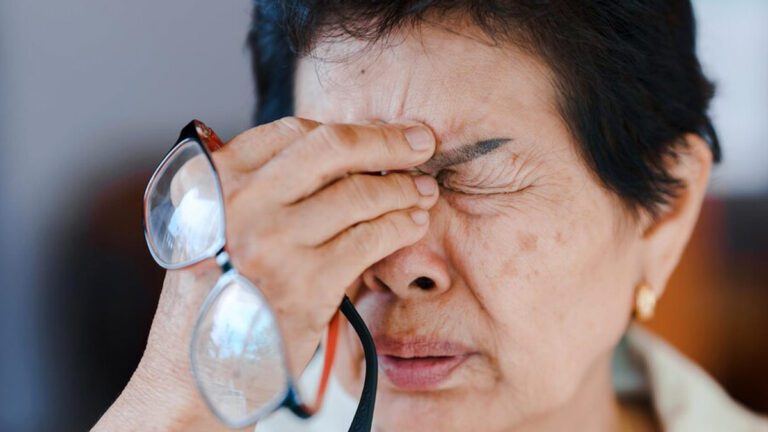
Persistent Fatigue in Seniors
? Persistent Fatigue in Seniors: Causes, Warning Signs & When to See a Doctor
Persistent fatigue in seniors is often dismissed as “just age.” But ongoing tiredness may signal dehydration, vitamin deficiency, thyroid imbalance, or other manageable medical conditions. Knowing when to observe and when to consult a doctor brings peace of mind.
When Is “Feeling Tired” Just Age… and When Should We Check It?
As we grow older, occasional tiredness is natural. Our bodies have carried us through decades of responsibility, effort, and experience. A little slowing down is expected.
But persistent fatigue is different.
It’s not “I had a busy day.”
It’s tiredness that lingers, feels unusual, or begins to interfere with daily life.
That deserves attention — not panic, just attention.
1️⃣ What Do We Mean by Persistent Fatigue?
Think of Mr. Sharma, 72, who loved his morning walks. One day he noticed that even after a full night’s sleep, he felt drained. His energy stayed low most days, and gradually he began skipping his walks.
That is not just aging — that is persistent fatigue.
It includes:
-
Feeling tired even after proper rest
-
Low energy most days
-
Loss of interest in usual activities
-
Needing frequent daytime naps
-
Feeling weak or drained without clear reason
If this continues beyond 2–3 weeks, it is wise to get evaluated.
2️⃣ Common & Usually Harmless Causes (Very Common in Seniors)
The reassuring news?
Most fatigue in seniors has simple explanations.
Mrs. Kapoor, 68, felt unusually exhausted until her doctor discovered mild dehydration. A few extra glasses of water daily made a noticeable difference.
Common causes include:
-
Poor or disturbed sleep – Even light sleep or frequent waking reduces energy.
-
Mild dehydration – Seniors often feel less thirst, leading to low fluid intake.
-
Low physical activity – Muscles lose stamina without regular movement.
-
Emotional stress or loneliness – Mental fatigue can feel physical.
-
Vitamin deficiency (B12 or D) – These affect nerve and muscle strength.
-
Mild anemia – Low hemoglobin reduces oxygen supply to tissues.
Even irregular meal timings or low protein intake can sap energy.
Many of these are easily correctable.
3️⃣ Medical Conditions That Can Cause Fatigue
Sometimes fatigue signals an underlying medical issue — and early detection makes all the difference.
Mr. Verma, 70, ignored his tiredness for months. A routine test revealed thyroid imbalance — fully manageable with medication.
Possible causes include:
-
Thyroid disorders
-
Diabetes
-
Heart conditions
-
Chronic infections
-
Depression
-
Medication side effects
Notice something important: most of these are treatable when identified early.
Awareness brings control.
4️⃣ When Should You See a Doctor?
Consult your doctor if fatigue:
-
Lasts more than 2–3 weeks
-
Is gradually worsening
-
Is accompanied by unexplained weight loss
-
Comes with breathlessness
-
Causes swelling in the legs
-
Includes persistent fever
-
Leads to dizziness or fainting
Early check-up equals early reassurance.
5️⃣ Simple Tests a Doctor May Suggest
Usually, evaluation begins with routine blood tests:
-
Hemoglobin (for anemia)
-
Thyroid levels
-
Blood sugar
-
Vitamin B12 and Vitamin D
-
Kidney and liver function tests
These are standard screenings — nothing alarming.
6️⃣ Practical Steps You Can Start Today
While awaiting consultation, you may try:
✔ Drink adequate water daily
✔ Ensure 7–8 hours of restful sleep
✔ Take a light daily walk (even 15–20 minutes helps)
✔ Include protein in meals
✔ Get morning sunlight exposure
✔ Stay socially connected
Mrs. Iyer, 75, joined a small laughter club in her park. Not only did her energy improve — her mood lifted too.
Sometimes, small habits bring big improvement.
? Key Takeaways
-
Persistent fatigue is not always “just age.”
-
Many causes are simple and treatable.
-
Early medical evaluation brings clarity and peace of mind.
At our stage of life, we do not fear symptoms.
We observe them calmly and act sensibly.
Listening to the body is wisdom — not weakness.
? Also read: Body Signs Seniors Should Never Ignore
(Part of the Senior Health Awareness Series)
? Health Information Note
This article is for awareness and educational purposes only. It is not a medical diagnosis or a substitute for professional medical advice. Always consult a qualified healthcare provider regarding personal health concerns.