The Story of an Elder Blogger in 2026
“Why should I start a blog at 83?”
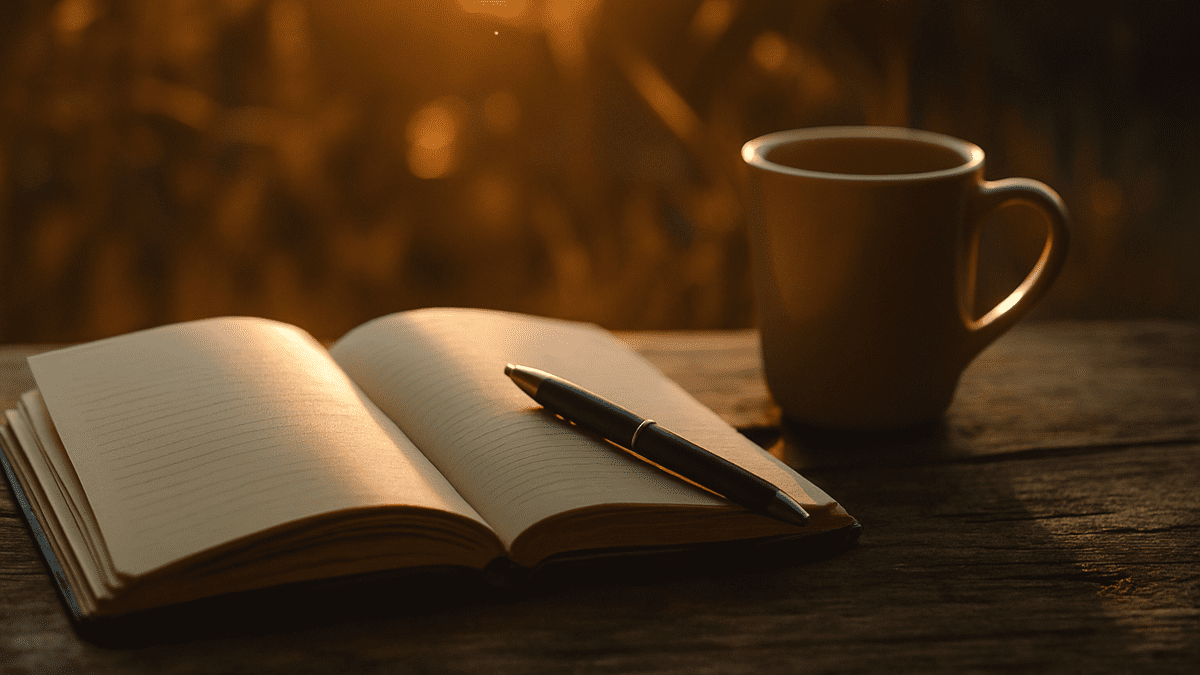
That’s the kind of question people ask Google every day. And somewhere in Faridabad, an elder named Ashok asked himself the same thing what others ask “The Story of an Elder Blogger in 2026”. He sat at his desk, surrounded by journals and books, wondering: What good is this writing doing? Who is it for? Will anyone read it?
He thought of Khushwant Singh, whose essays once stirred the nation. Does anyone read him now? Probably not, he concluded. And if even great writers fade, then what chance does his humble blog have?
The Doubt
Ashok typed into his journal:
“Is writing after 80 a waste of time?”
Google would show thousands of results—some saying yes, focus on family, others saying no, writing keeps the mind alive. But none of those answers touched the heart of his question: Why am I writing if people will forget?
The Turning Point
One evening, while walking slowly through his neighborhood, Ashok reframed the question:
“What should seniors do to stay busy physically and mentally?”
That query is among the most searched by elders worldwide. And the answers were clear: walk daily, practice yoga, learn something new, write journals, meditate.
But Ashok added his own twist: Do it not just for health, but for the next life. He believed strongly in rebirth, in continuity of the soul. And so he asked:
“How can I improve my next life?”
The Practice
He began to see his blog not as a public performance, but as a spiritual diary. Each post became a ritual:
– A walk in the morning, written down as a reflection.
– A new mantra, recorded with meaning.
– A memory of family, preserved for future generations.
Even if no one read, the act itself was transformative. It was like meditation in written form.
The Legacy Question
Still, the practical doubt lingered:
“What happens to my blog after I am gone?”
Google’s answers were blunt: free platforms keep blogs alive, domains expire if not renewed, archives preserve words if donated.
Ashok realized: the blog may or may not survive, but the discipline of writing would shape him. And that was the true continuity.
The Resolution
So he reframed his purpose:
“I write not to be remembered by others, but to remember myself. My words are my offering to the future, whether or not anyone reads them.”
And with that, his blog became more than a website. It became a ladder to the next life—each post a rung, each reflection a step upward.
The Universal Ending
Ashok’s story is not just his own. It mirrors the questions millions of elders ask:
– Why write when no one reads?
– How to stay busy after 80?
– What practices improve the next life?
– Will my words survive after me?
The answers are simple yet profound: write for yourself, move your body, sharpen your mind, serve others, and prepare your spirit. Whether or not the world remembers, you will carry the clarity forward.