
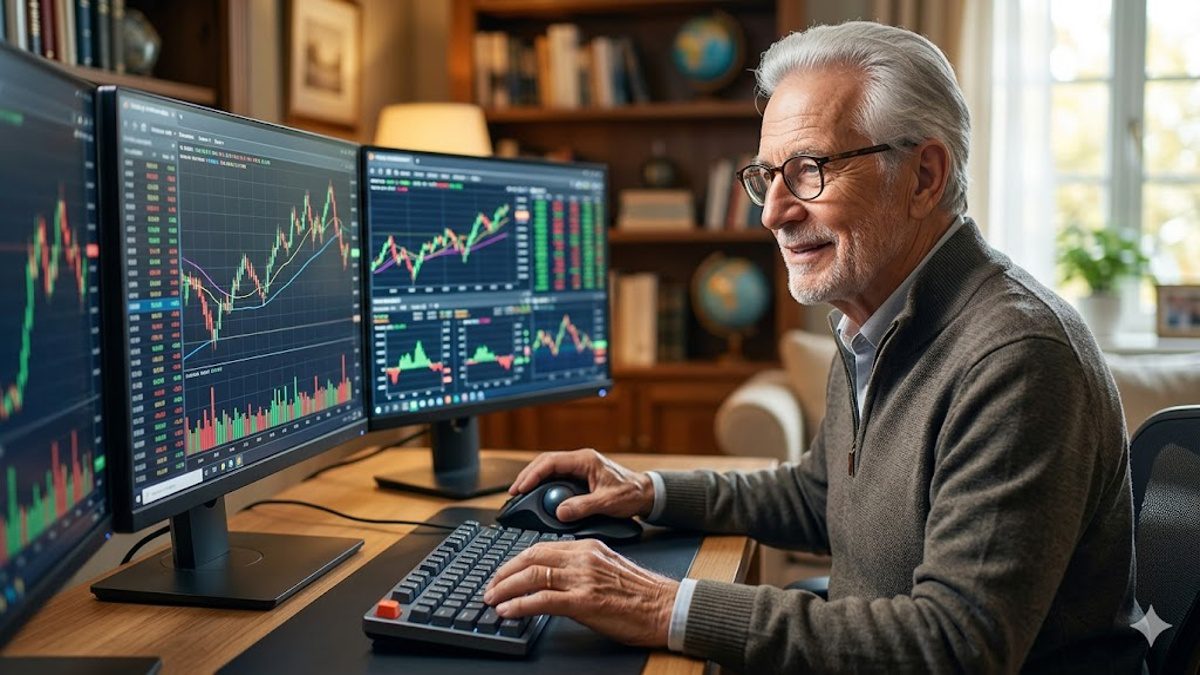
Trading for Mental Agility
Trading is often viewed purely through a financial lens, but for those navigating the later stages of life, it can serve as a powerful tool for cognitive preservation. Engaging with the markets requires a unique blend of analytical thinking, emotional regulation, and rapid decision-making—all of which are essential for maintaining a sharp, agile mind. In this sense, Trading for Mental Agility becomes more than a financial pursuit—it is a practice of mental resilience.
Why Trading Boosts Cognitive Health
Unlike passive hobbies, trading demands active engagement with complex, shifting data. Here is how it challenges the brain:
-
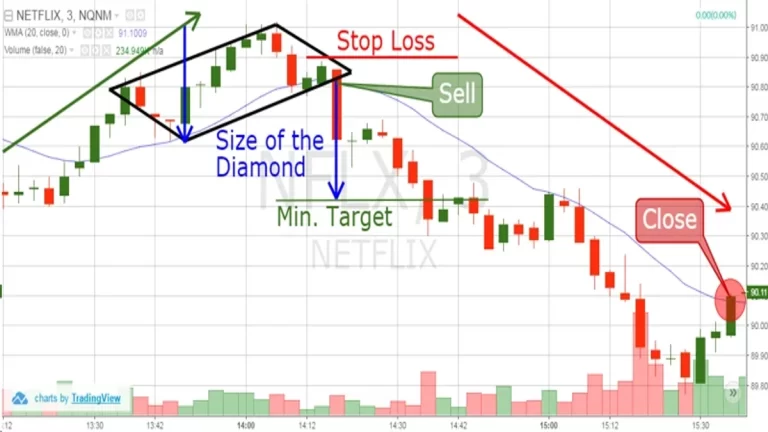
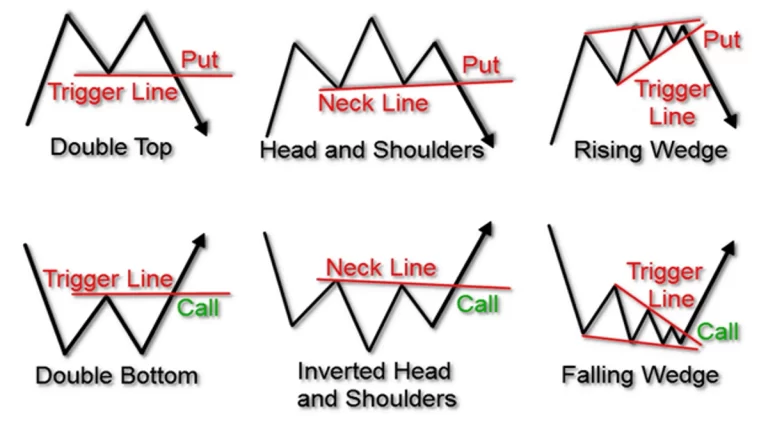
Pattern Recognition: Analyzing charts and market trends forces the brain to identify sequences and anomalies, strengthening neural pathways associated with logic.
-
Information Processing: Traders must synthesize news, economic reports, and price action in real-time, improving the speed of mental processing.
-
Risk Assessment: Evaluating the probability of success versus potential loss keeps the “executive function” of the brain—the part responsible for planning and problem-solving—highly active.
-
Emotional Resilience: Managing the “fear and greed” cycle of the markets requires significant self-discipline, which helps maintain emotional balance and focus.
This is why Trading for Mental Agility is not just about profit—it’s about keeping the mind sharp.
Strategic Approaches for Seniors
The goal here isn’t necessarily to become a high-frequency day trader, but rather to use the market as a “mental gym.” Different strategies offer varying levels of stimulation and risk:
| Strategy | Mental Benefit | Risk Level |
|---|---|---|
| Dividend Investing | Focuses on long-term research and patience. | Low |
| Swing Trading | Encourages technical analysis over several days/weeks. | Moderate |
| Paper Trading | Practice without real money; focuses purely on the “game.” | Zero |
Each of these approaches allows seniors to engage with trading at a pace and risk level that suits their lifestyle, while still reaping the cognitive benefits.
Important Considerations
While the mental benefits are significant, it is vital to approach trading with a grounded perspective:
-
Start Small: Only use capital that you can afford to lose. The goal is mental stimulation, not financial stress.
-
Continuous Learning: Use resources like Rank Math SEO (if blogging about your journey) or financial news portals to stay informed.
-
Set Boundaries: Limit screen time to avoid fatigue. Mental agility is built through quality sessions, not quantity.
Trading for Mental Agility
Ultimately, trading offers seniors a structured, stimulating way to preserve mental sharpness while engaging with the world of finance. By treating the markets as a mental gym rather than a profit machine, Trading for Mental Agility becomes a lifelong practice of resilience, discipline, and cognitive health.
Frequently Asked Questions (FAQ) – Trading for Mental Agility
Is trading safe for seniors who are new to the markets?
Yes, if approached with discipline. Start small, use paper trading to practice, and treat it as mental exercise rather than a source of income.
How much time should I spend trading each day?
Limit sessions to manageable blocks—30 to 60 minutes is usually enough. The goal is stimulation, not fatigue.
Do I need advanced financial knowledge to benefit cognitively from trading?
No. Even basic strategies like dividend investing or paper trading can provide mental engagement without requiring deep expertise.
Can trading replace other brain exercises like puzzles or reading?
Not at all. Trading should complement other activities. It’s one more tool in your “mental gym,” alongside reading, writing, or solving puzzles.
What’s the biggest risk for seniors in trading?
Emotional over-involvement. Avoid chasing losses or impulsive trades. Stick to a structured plan and remember the primary goal is Trading for Mental Agility, not financial gain.
Disclaimer: The content in this article, including the section Trading for Mental Agility, is provided for educational and informational purposes only. It is not intended as financial advice, investment guidance, or a recommendation to trade. Readers—particularly seniors—should approach trading as a tool for mental stimulation and cognitive engagement, not as a source of guaranteed income. Always consult with a qualified financial advisor before making investment decisions, and only use capital you can afford to lose.


One Comment